Energy Planning Across Sectors
Explore site-specific energy planning for homes, businesses, and facilities. Service scope and availability require assessment for each location.
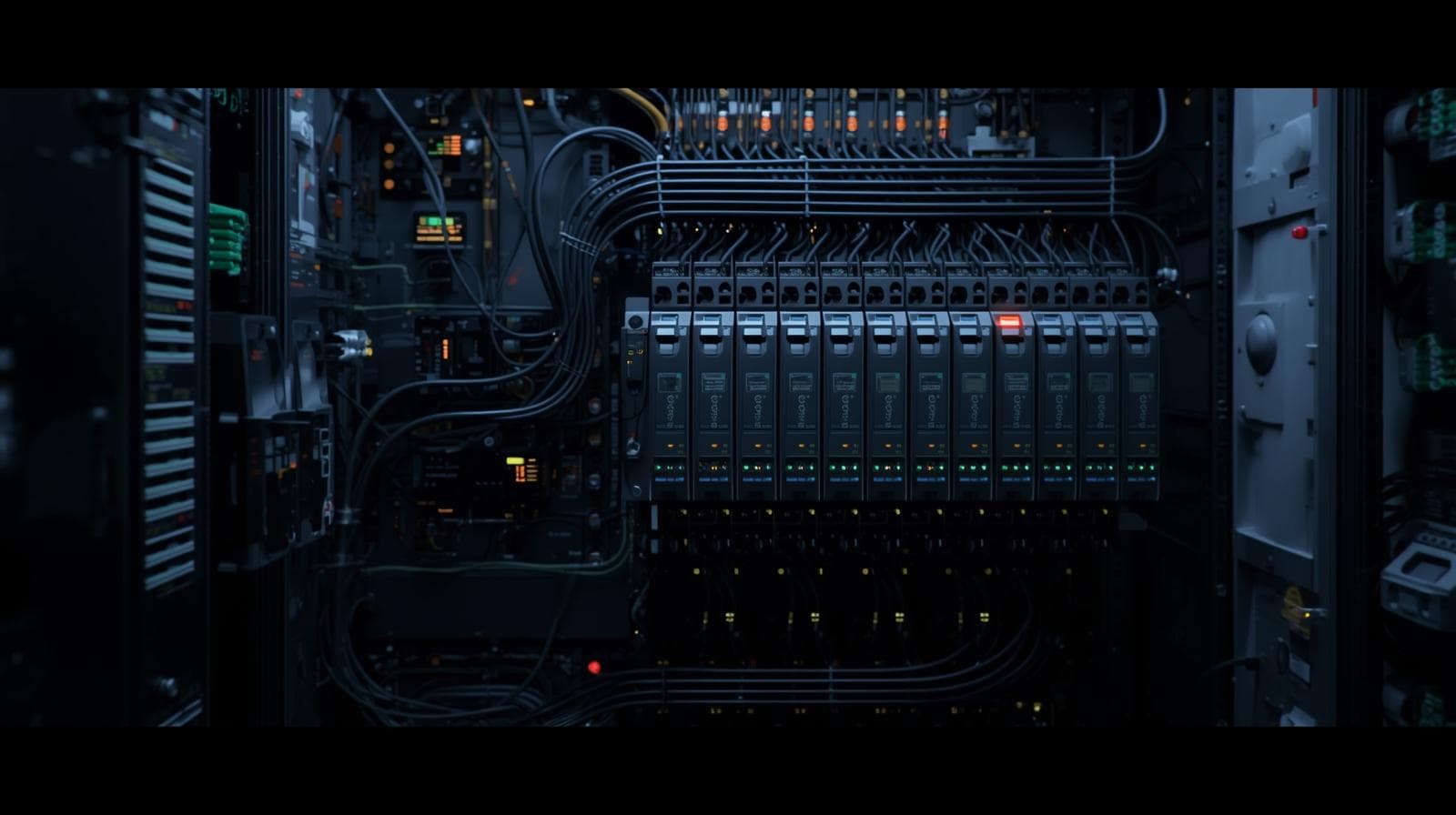
Residential Buildings
Buildings have different energy needs for elevators, water systems, and daily life. Planning starts with the site and its available assets.
Operational challenges
- ●Elevators and water pumps stopping without notice.
- ●Daily routines disrupted by unpredictable schedules.
- ●Connectivity and security systems dropping offline.
- ●Sensitive appliances at risk during interruptions.
Planning considerations
- ✦Assess available assets and shared-service requirements.
- ✦Review energy needs for essential building systems.
- ✦Transparent visibility for residents and managers.
- ✦Plan around daily operational requirements.
Start with the needs of your building.
Commercial & Office
Workplaces depend on continuous power to keep teams productive and systems online.
Operational challenges
- ●Workflow disruptions and productivity loss.
- ●Data systems and networks dropping unexpectedly.
- ●Access control and security interruptions.
- ●Equipment downtime and recovery delays.
Planning considerations
- ✦Assess office load profiles and coordination needs.
- ✦Plan for IT and telecom continuity requirements.
- ✦Real-time visibility for operations teams.
- ✦Review workflow and service continuity needs.
Plan around the needs of people and systems.
Healthcare & Critical Facilities
Healthcare facilities need site-specific assessment of energy requirements, equipment constraints, and applicable standards. Clinical suitability requires separate specialist review.
Operational challenges
- ●Equipment-specific energy requirements and constraints.
- ●Cold storage and laboratory operating requirements.
- ●Emergency response readiness at all hours.
- ●Facility operating schedules and contingency requirements.
Planning considerations
- ✦Identify facility-defined circuit priorities for assessment.
- ✦Review available assets and redundancy requirements.
- ✦Monitoring and transparency for operations teams.
- ✦Refer clinical suitability and compliance questions for specialist review.
Assess facility requirements before defining service scope.
Industrial & Manufacturing
Production environments need stable energy to protect equipment and maintain output.
Operational challenges
- ●Production interruptions and batch losses.
- ●Equipment stress from unstable delivery.
- ●Restart inefficiencies and downtime.
- ●Safety and compliance risk during outages.
Planning considerations
- ✦Assess site-specific power-quality requirements.
- ✦Review energy needs against production schedules.
- ✦Unified visibility across critical loads.
- ✦Plan around throughput and equipment requirements.
Plan around site-specific production requirements.
Hospitality & Retail
Guest experience and retail operations rely on consistent power for service quality.
Operational challenges
- ●Guest experience disruptions and service delays.
- ●POS and payment interruptions.
- ●Cold storage and food safety risks.
- ●Brand reputation impact during downtime.
Planning considerations
- ✦Assess energy needs across guest-facing systems.
- ✦Review payment-system and operational continuity requirements.
- ✦Assess refrigeration and facility-system needs.
- ✦Plan around guest experience and service requirements.
Review service needs across operating hours.
Infrastructure & Municipal
Essential services depend on continuous power to keep cities operating safely and reliably.
Operational challenges
- ●Water pumping and treatment disruptions.
- ●Telecom and tower reliability gaps.
- ●Street lighting and public safety interruptions.
- ●Public facilities with limited backup coordination.
Planning considerations
- ✦Review site-defined priorities for essential services.
- ✦Coordinated assets across public systems.
- ✦Visibility for municipal operations teams.
- ✦Assess energy-delivery and contingency requirements.
Plan around the needs of essential public services.
DER Partner Assets (Generators, Solar, Battery, EVs)
Energy assets across the region remain owned by operators. Power 24 Hour coordinates them into a reliable, transparent network.
Operational challenges
- ●Fragmented dispatch and manual coordination.
- ●Idle capacity without unified visibility.
- ●Inconsistent operating schedules.
- ●Limited integration across asset types.
Planning considerations
- ✦Coordinated dispatch across diverse assets.
- ✦Unified monitoring and operational transparency.
- ✦Stable participation in a coordinated network.
- ✦Infrastructure collaboration without displacement.
Coordination and modernization, not replacement.